
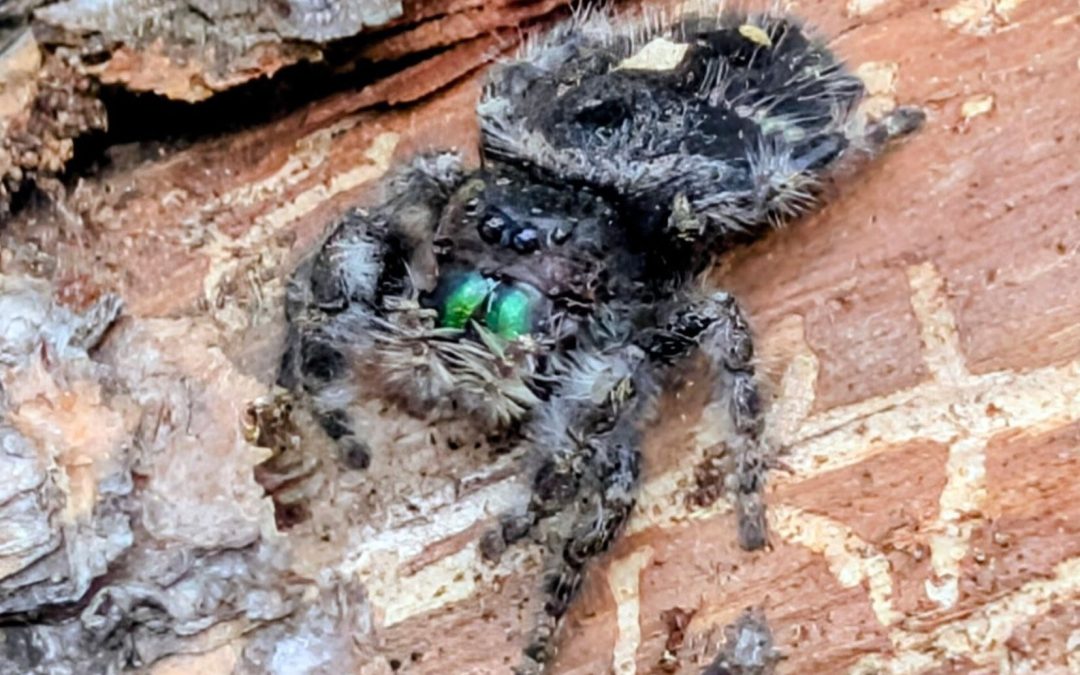
You wake up in the morning and there it is. A red bump on your arm.
Then another one shows up on your leg. Maybe they itch. Maybe they burn. Maybe your spouse has nothing at all. You change the sheets, start inspecting the mattress, and eventually somebody says the two words guaranteed to send any reasonable person down an internet rabbit hole…
Bed bugs.
Or maybe it’s spiders. Fleas. Mites. Something microscopic living in the carpet. At this point you don’t really care what it is, you just want it to stop.
We get calls like this all the time, and here’s one of the most important things I can tell you,
A skin reaction is evidence that something is irritating your skin. It is not, by itself, evidence that a pest is responsible.
That’s where our investigation needs to begin.
Key Takeaways
- You generally cannot identify a pest by looking at a “bite.”
- Bed bugs, fleas, mosquitoes, biting flies, and some mites are legitimate possibilities.
- Spiders are commonly blamed but are actually pretty lousy suspects for recurring mystery bites.
- Skin irritation can also come from environmental conditions, household products, medications, allergies, infections, and other medical conditions.
- Before treating your house, we want evidence of a pest.
- Monitoring and identification are much more useful than guessing based on the appearance of your skin.
First: You Can’t Identify a Bug by Its Bite
This is probably the most important part of this entire article. There’s no reliable chart where we can look at three red bumps and say, “Yep, bed bug.”
The CDC notes that reactions to bed bug bites vary considerably between people and can resemble mosquito or flea bites. The EPA goes even further, calling skin bites a poor indicator of a bed bug infestation because bites can resemble other insect bites, eczema, fungal infections, or hives.
I’ve been doing pest control for a long time, and if you show me a picture of a bump on your arm, I can tell you what it looks like but I cannot tell you what caused it. That’s an important distinction. What I want to see is the bug, or droppings, cast skins, eggs, or blood spotting. Maybe a rodent or bird nest associated with mites? Something physical that gives us evidence to work with.
Identification first. Treatment second.
That’s IPM 101.
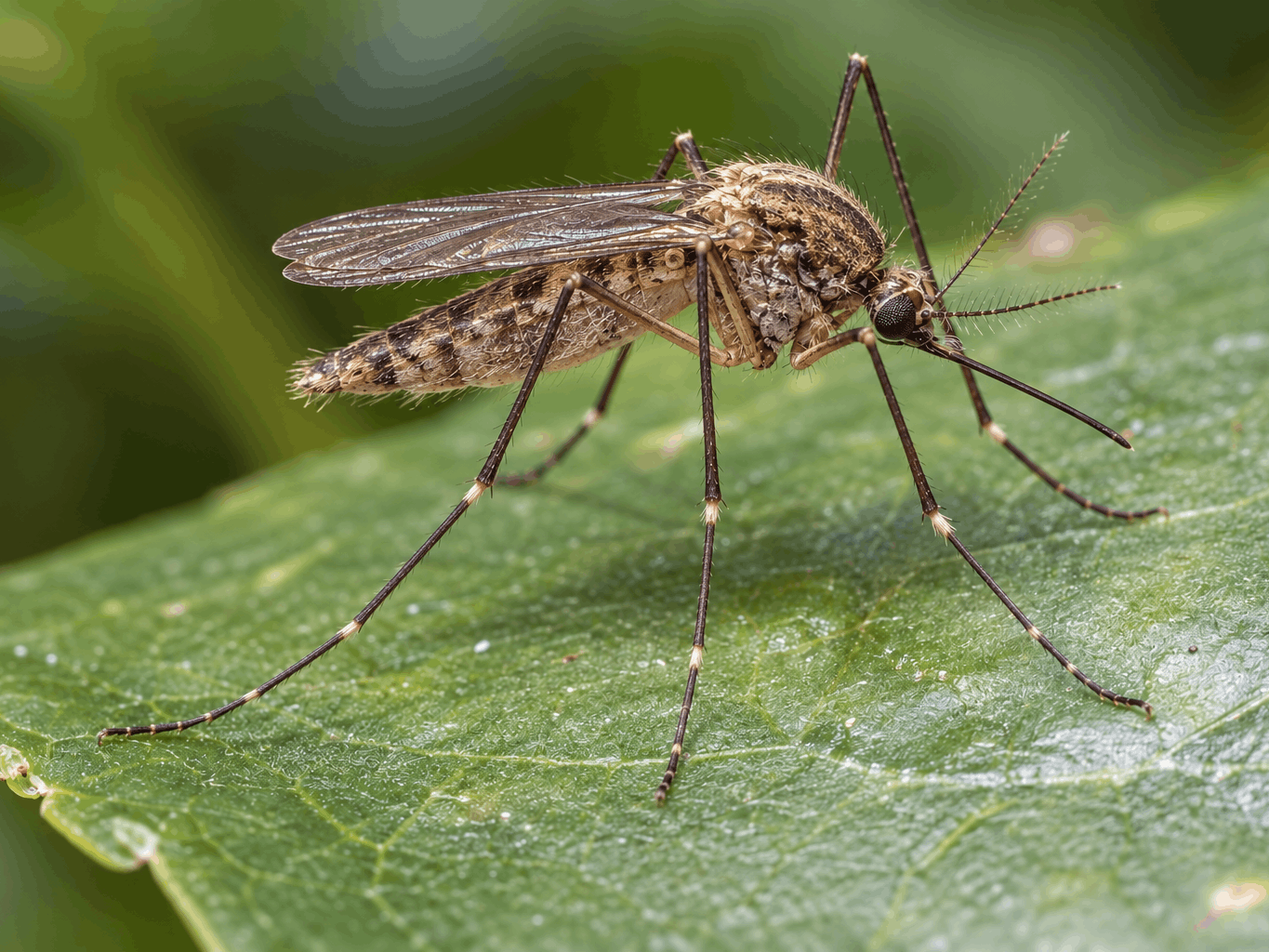
Unlike spiders, mosquitoes really are looking for you. Female mosquitoes take blood meals and can leave itchy skin reactions, although the appearance of a bite alone isn’t enough to identify the culprit.
What Actually Bites People?
There are plenty of legitimate candidates.
- Bed bugs are obvious suspects when unexplained reactions occur after sleeping. They’re blood feeders and tend to live close to where people spend long periods resting. But we’re still looking for physical evidence before calling it a bed bug problem. The CDC specifically says that confirmation is best accomplished by finding and identifying the insects themselves.
- Fleas are another possibility, particularly when pets or wildlife are involved. They commonly bite people and can persist in an environment even after the animal that originally supported them is gone.
- Mosquitoes and biting flies shouldn’t be overlooked either, particularly when symptoms follow time outdoors.
- Bird and rodent mites. These are especially interesting because problems can suddenly appear after birds leave a nest or rodents are removed from a structure. Some of these mites will bite humans when their normal host disappears, although they generally can’t maintain their populations indefinitely on us.
There are other possibilities depending on where you’ve been and what you’ve been doing, but the important point is that each has a biology we can investigate.
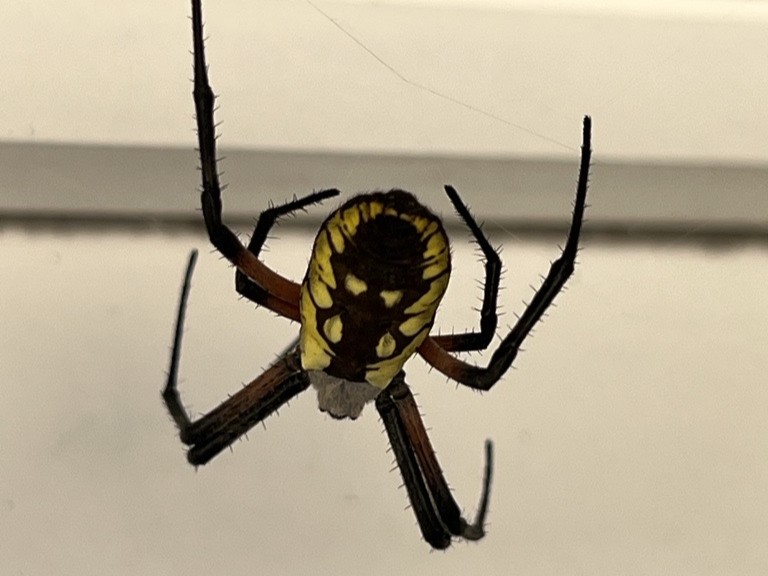
Spiders frequently get blamed for unexplained “bites,” but they don’t feed on people or seek us out as a food source. Most spider bites occur defensively when a spider is trapped against the skin or otherwise disturbed.
Okay, But What About Spiders?
Poor spiders, they get blamed for everything.
Wake up with a bump? Spider bite.
Weird lesion on your leg? Spider bite.
Arm falls off? Probably a brown recluse.
Here’s the problem: spiders don’t feed on us. Mosquitoes seek us out because we’re food. Bed bugs seek us out because we’re food. Fleas seek out warm-blooded hosts because they’re food.
You are not spider food.
Spiders are predators of insects and other small animals. They have absolutely no biological reason to crawl into your bed and start biting you for fun. When spiders do bite people, it’s generally defensive—such as when one becomes trapped against the skin, squeezed in clothing, or otherwise threatened. UC IPM specifically notes that spiders don’t seek people out to bite them.
Can a spider bite you? Absolutely.
Is a spider a good explanation for new mystery lesions appearing night after night for three weeks? Not really.
In fact, unexplained skin lesions are frequently attributed to spiders without evidence that a spider was ever involved. Skin infections and other medical conditions can look remarkably similar, so unless you caught the spider in the act, let’s keep investigating.
What If It Isn’t a Pest?
This is where mystery-bite investigations get complicated. Our skin is our interface with the entire outside world, and if you’re in any way like me, a lot of things irritate it. Dry air and low humidity can cause itching. Fiberglass, fabric fibers, animal hair and certain plants can cause irritation. Detergents, soaps, cosmetics, shampoos, cleaning products and other chemicals can cause contact reactions.
So think about what changed around the time the problem started.
New laundry detergent? New sheets? New skin-care product? New medication? Started working somewhere different? New carpet? Been crawling around in the attic? Changed shampoo? Started using a new cleaning product? Even something as simple as spending more time in a hot tub can change what your skin is being exposed to.
There are also medical possibilities. Eczema, psoriasis, allergies, infections, medication reactions, hormonal changes and other health conditions can produce itching, bumps or lesions.
As a pest professional, these things are way outside my scope of expertise, but determining whether there’s an insect involved isn’t.
The “My Doctor Said It Was a Spider Bite” Problem
I want to be careful here because physicians know vastly more about human health than pest technicians do, but here is one important difference in the way we tackle these problems with our particular skillsets.
A doctor can examine and treat your skin. They usually aren’t crawling underneath your bed with a flashlight looking for Cimex lectularius.
Likewise, I can identify a bed bug, flea, mite or spider. You absolutely do not want me diagnosing your rash.
Sometimes “probably an insect bite” or “probably a spider bite” becomes an easy explanation for a lesion when the offending arthropod was never actually found. Medical literature and university entomology programs have documented this problem, particularly with supposed spider bites.
So if you’re getting recurring lesions and your medical provider thinks insects may be responsible, there’s a perfectly reasonable next question. What evidence can we find that an insect is actually present?
That’s where we can help.
Stop Guessing and Start Monitoring
This is the part where we turn a mystery into an investigation.
Please don’t pick up the aerosol can of insecticide and start spraying everything in the room before you even know what you’re treating for, leading to overtreatment, unneccesarry treatment, and possibly exposure and additional skin reactions or worse! Instead, start collecting information.
Bed bug interceptor cups can be installed beneath bed and furniture legs. Sticky monitors can help detect crawling insects in appropriate locations. Mattress and box-spring inspections can reveal spotting, cast skins, eggs or live insects. Flea monitoring can help establish whether fleas are actually present. If bird or rodent mites are suspected, we start looking for nests and evidence of their normal hosts.
And if you find something?
Save it.
Clear tape, a zip-top bag, or a small sealed container can turn an unidentified speck into the evidence that solves the entire problem. Take good photos, too.
Keep track of where and when you’re experiencing symptoms. Did they begin after sleeping? Sitting on the couch? Working in the garden? Going into the garage? Visiting another building? Patterns matter.
Don’t Start Spraying Everything
This is one of those situations where more pesticide can actually make our job harder. If we don’t know what’s causing the problem, what exactly are we treating?
Blanket applications of over-the-counter insecticides introduce unnecessary pesticide exposure without addressing non-pest causes—and they can destroy the insects we’re trying to capture and identify.
There’s a real possibility that you end up treating the bedroom for bed bugs when the actual problem is a detergent.
That’s not pest control.
That’s guessing with pesticides.
When Should You Talk to a Medical Professional?
Pest control professionals diagnose pest problems, not skin conditions.
If lesions are painful, spreading, becoming infected, producing significant swelling, accompanied by other symptoms, or simply aren’t going away, talk to a qualified medical professional. Skin infections and other conditions can sometimes be mistaken for arthropod bites, which is another reason not to assume the cause.
And if you’ve already seen a doctor but the problem continues, it’s reasonable to keep investigating rather than accepting an unidentified “bug bite” as the end of the story.
Medicine investigates the person. Pest management investigates the environment. Sometimes it takes both to solve the mystery.
Final Thoughts
When somebody tells me they’re getting bitten by something they can’t find, I believe they’re experiencing something. The cause of that somthing cant be determined by just looking at a bite or hearing how itchy it is.
Due diligence is important.
Maybe it’s bed bugs. Maybe it’s fleas. Maybe a bird nest outside the bedroom window has produced a mite problem. Maybe there isn’t an arthropod involved at all.
I would never want myself, or anyone I work with, to walk into your house already convinced we know the answer.
Our job is to find evidence.
Inspect. Monitor. Capture. Identify. Then act.
If you’re dealing with mystery “bites,” resist the urge to start spraying everything in sight. Give Good Earth Pest Company a call. We can help inspect the environment, set up appropriate monitoring, and hopefully put a name to whatever is—or isn’t—bugging you.
Because once we know what we’re dealing with, figuring out what to do about it gets a whole lot easier.