
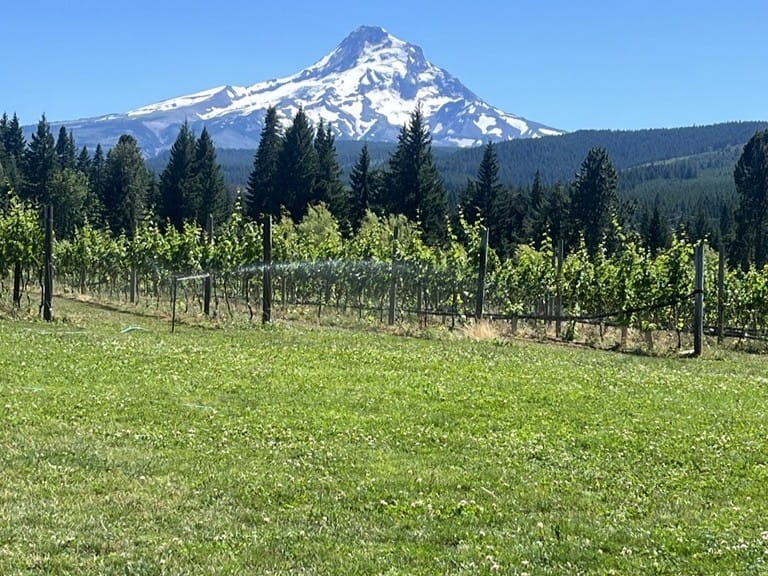
There are few better ways to spend a summer afternoon than sitting on the patio of an Oregon winery with a glass of Pinot Noir in your hand. The vines are stretching across the hillsides, the weather is perfect, and everyone is pretending they can identify notes of blackberry, leather, and tobacco. “Oh, what do I think about this expression? I feel like I can taste what the winemaker was trying to tell us with this wine. It’s insistent without being pushy.”
Meanwhile a yellowjacket flies up my dates sundress and stings her on the thigh, while another is working on the prosciutto leftover from the meat and cheese board.
Working in pest control, it’s hard not to notice what’s happening around a tasting room. Where most people see a beautiful vineyard, I see fermentation, sugars, moisture, landscaping, outdoor dining, and hundreds of people enjoying food and drinks. They are basically a farm, a manufacturing facility, a restaurant and an event space all rolled into one! That’s not criticism—it’s exactly what makes wineries so successful. Unfortunately, it’s also exactly what makes them attractive to pests.
The good news is that most winery pest problems are predictable. Better yet, they’re preventable with a well-designed Integrated Pest Management (IPM) program.
Let’s take a look at the biggest offenders.
Key Takeaways
- Wineries attract pests because they provide food, moisture, shelter, and plenty of human activity.
- Small flies, yellowjackets, rodents, ants, and spiders are among the most common pest issues.
- Good sanitation and facility maintenance solve many pest problems before pesticides are ever needed.
- A commercial IPM program protects guests, staff, wine quality, and your reputation.
Why Wineries Are So Attractive to Pests
Imagine you’re a pest.
You’ve spent your life searching for sugar, water, shelter, and a place to raise your family.
Then you stumble across a winery.
You’ve got:
- Fermenting grapes
- Sweet wine spills
- Outdoor seating
- Landscaping
- Irrigation
- Compost
- Cardboard
- Deliveries arriving daily
- Warm production buildings
It’s basically Disneyland.
That doesn’t mean wineries are dirty. Quite the opposite. Even beautifully maintained wineries can experience pest pressure simply because of what they do.
Small Flies
If wineries had an official mascot from the pest world, it would probably be the fruit fly.
Fermenting fruit is exactly what these little flies evolved to find.
Fruit flies breed incredibly fast and thrive around:
- Floor drains
- Spill areas
- Pomace
- Empty wine bottles
- Recycling
- Mop sinks
Phorid flies and fungus gnats may also show up if moisture problems develop.
One of the biggest misconceptions is that insecticides solve fly problems.
Most of the time, they don’t.
The real solution is sanitation.
Bioactive drain cleaners, regular deep cleaning, moisture control, and removing breeding sites almost always outperform spraying adult flies.
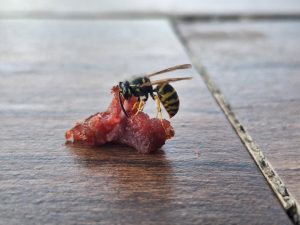
Late in the summer, yellowjackets shift from hunting insects to searching for protein and sugar. Outdoor tasting rooms, charcuterie boards, and picnic areas can quickly become hotspots for unwanted visitors.
Yellowjackets
If you’ve ever watched someone abandon a charcuterie board because yellowjackets showed up, you know how quickly they can ruin the customer experience.
Late summer is peak yellowjacket season.
As natural food sources disappear, colonies switch from hunting insects to searching for sugar and protein.
Wine.
Cheese.
Fruit.
Sandwiches.
Outdoor tasting rooms become incredibly attractive.
Fortunately, there are ways to reduce activity without turning the patio into a chemical experiment.
Proper trash management, locating nests early, reducing food sources, and strategic trapping can dramatically reduce problems.
Rodents
Rodents love wineries for many of the same reasons people do.
-Food.
-Shelter.
-Climate control.
-Storage areas, barrel rooms, warehouses, utility rooms, and production buildings all offer excellent harborage.
Rodents aren’t just a nuisance, they contaminate food, chew wiring, damage insulation, and create sanitation concerns.
An IPM rodent program focuses on:
- Exclusion
- Waste management
- Monitoring
- Habitat modification
- Exterior bait stations
- Interior trapping
Notice what comes first? Exclusion.
You’d be amazed how many rodent problems disappear once the building is properly sealed.
Ants
Sugar-loving ants don’t need much encouragement.
Wine spills, tasting bars, kitchens, break rooms, and outdoor service areas all provide opportunities.
Odorous house ants are particularly common throughout the Willamette Valley.
Rather than chasing ants with repellent sprays, we often use targeted baiting programs and non-repellant applications that allow the colony to eliminate itself, rather than pushing it around to another area.
It takes a little patience, but the results are far better.
Stored Product Pests
Packaging materials, corks, cardboard, dry ingredients, and snack products can all introduce stored product insects.
Indian meal moths, cigarette beetles, warehouse beetles, and other pantry pests occasionally find their way into winery operations.
Regular inspections of incoming shipments and proper inventory rotation go a long way toward preventing these issues.
Spiders
Let’s be honest. Most people don’t care if a spider is hanging out behind a warehouse. They care when it’s hanging above their wine flight.
Spiders themselves aren’t usually the problem. Their webs are.
Routine exterior maintenance, lighting management, and targeted perimeter treatments help keep tasting rooms looking as polished as the wine they’re serving.

Oregon wineries are known for incredible views and unforgettable experiences. A proactive Integrated Pest Management (IPM) program helps ensure pests don’t become part of the tasting.
Why IPM Works So Well in Wineries
At Good Earth, we don’t believe pest control starts with a spray tank.
Especially in wineries.
Integrated Pest Management means looking at the entire operation.
We ask questions like:
- Why are the pests here?
- What are they feeding on?
- Where are they breeding?
- How are they getting inside?
- What changes can eliminate the problem permanently?
Sometimes the answer is a treatment.
More often, it’s improving sanitation, sealing an entry point, modifying landscaping, or changing a cleaning schedule.
The fewer pesticides we need, the better.
What Winery Staff Can Do
Everyone plays a role in pest prevention.
Simple habits make a huge difference:
- Clean spills immediately.
- Keep drains clean with bioactive cleaners.
- Empty trash frequently.
- Rotate inventory.
- Store food properly.
- Keep doors closed whenever possible.
- Report pest sightings early.
Finding one fruit fly isn’t a failure.
Ignoring one hundred fruit flies is.
When Should You Call a Professional?
If you’re seeing recurring pest activity, it usually means there’s an underlying issue that needs attention.
A commercial pest management program should be proactive—not reactive.
Regular inspections, documentation, monitoring devices, trend analysis, and facility recommendations are all part of protecting your business.
The goal isn’t simply fewer bugs.
It’s protecting your reputation.
Final Thoughts
The best winery pest control programs are the ones your customers never notice.
No flies around the tasting bar.
No yellowjackets harassing people on the patio.
No spider webs greeting guests at the entrance.
Just good wine, beautiful scenery, and an experience people want to come back for.
That’s exactly how it should be.
If you’re looking for a pest management partner who understands the unique challenges wineries face, we’d love to help. At Good Earth Pest Company, we specialize in commercial IPM programs that protect your guests, your staff, and your brand—while using pesticides thoughtfully, responsibly, and only when they truly add value.
Cheers, and see you in the hills!