
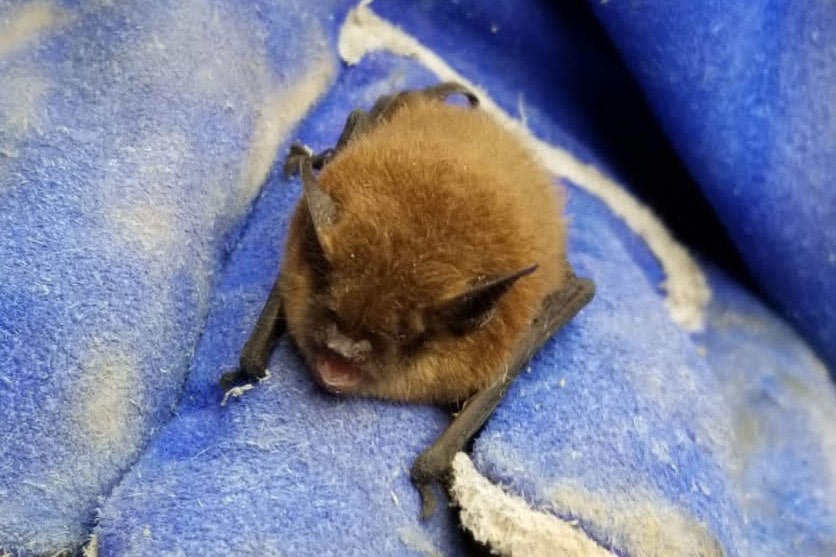
Let’s be honest: bats have a bit of a PR problem. They’re often lumped in with vampires, haunted houses, and horror movie villains. But ask any biologist and they’ll tell you—bats are vital, fascinating, and surprisingly gentle little creatures. Still, there’s one concern that comes up time and time again: Can I get rabies from a bat? And if you’ve had a bat in your home (especially in the bedroom), you’ve probably asked yourself this very question.
Here’s the truth—rabies is a very real and very serious disease, but the good news is that transmission from bats is rare. The important part is knowing when to take action, what to watch for, and how to protect the people and animals you love.
Key Takeaways:
-
Rabies is almost always fatal once symptoms appear, but preventable if addressed early.
-
You can get rabies from a bat without seeing or feeling a bite.
-
Any bat found indoors where people were sleeping, especially children, elderly, or non-verbal individuals, should be tested.
-
Capturing the bat for testing is critical when an exposure can’t be ruled out.
-
Post-exposure rabies treatment is highly effective when administered early.
Rabies and Bats: What’s the Deal?
Rabies is a viral disease that attacks the central nervous system and is transmitted through the saliva of infected animals—usually by a bite. In the U.S., bats are the leading cause of human rabies deaths. That sounds scary until you understand the full context.
Only a very small percentage of bats carry rabies—less than 1%. But the risk is serious enough that health officials recommend erring on the side of caution. Unlike a dog or raccoon, bat bites are incredibly small and easy to miss. In fact, many people who’ve contracted rabies from bats never realized they were bitten at all.
When Should You Be Concerned?
The risk goes way up in one specific situation:
A bat is found inside a living space, and someone was asleep, unattended, or unable to report a bite (such as a baby, young child, elderly adult, or someone with a disability).
If a bat was flying around your bedroom while you were sleeping, and it’s now gone? That’s a big red flag. Without the bat for testing, most public health authorities recommend post-exposure rabies treatment—just in case. That’s a tough decision to make, and one you don’t want to face in hindsight.
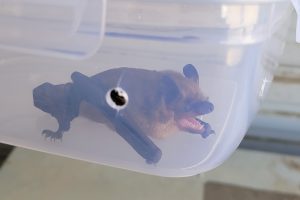
This bat was safely contained for rabies testing after being found inside a home. Capturing the animal allows for proper identification and testing when there’s a risk of human or pet exposure.
The Importance of Capturing the Bat
Let me say this clearly:
If a bat is found indoors and there’s even a slight chance of contact—don’t let it go. Capture it safely and have it tested.
That one action could save you or a loved one from a series of unnecessary rabies shots—or worse, from not getting them when they were needed.
How to safely capture a bat for testing:
-
Close doors to the room to keep the bat contained.
-
Put on gloves and long sleeves for protection.
-
Wait for the bat to land, then gently place a container (like a Tupperware or coffee can) over it.
-
Slide cardboard or stiff paper underneath, trapping the bat inside.
-
Tape it closed, punch a small air hole, and place the whole thing in the fridge (not the freezer).
-
Call your local health department or wildlife professional immediately for testing instructions.
What Happens After Testing?
If the bat tests negative for rabies, you’re in the clear. No treatment necessary.
If the bat can’t be tested (you let it go, or it escaped), then public health officials may recommend post-exposure prophylaxis—a series of shots that prevent rabies from taking hold. It’s not fun, but it’s better than taking a chance.
Protocols for Vulnerable Individuals
As we mentioned earlier, extra precautions are taken when the person exposed:
-
Was asleep when the bat was in the room.
-
Is non-verbal or has limited communication.
-
Is a young child or medically fragile adult.
Even if no bite was seen, the assumption is that exposure may have occurred, and post-exposure treatment is often recommended. This is especially true for:
-
Children in cribs
-
Dementia patients
-
People with developmental disabilities
-
Anyone under heavy sedation or unconscious
What About My Pets?
Unvaccinated pets are also at risk. If a bat is found indoors, especially in a room where pets have access, consult your veterinarian immediately.
Dogs and cats should be up to date on their rabies vaccines—it’s the law in most places for a reason. If your pet isn’t vaccinated and may have been exposed, the consequences can be tragic.
Bottom Line: Be Cautious, Not Fearful
You don’t need to live in fear of bats. They’re amazing animals that do incredible work for our ecosystem, including eating thousands of insects per night. But if one shows up where it shouldn’t—especially indoors—you need to take the situation seriously.
Rabies is 100% preventable when you act quickly.
Don’t let panic take over, but don’t ignore it either. Capture the bat, call your local health authority, and get guidance on next steps. It might save you or someone you love.
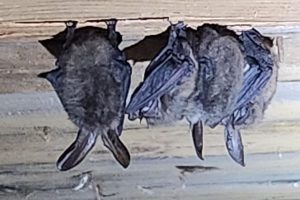
These bats were discovered tucked up beneath an exterior soffit, a common summer roosting site for many species. While they may appear harmless, bat colonies in or on homes should be professionally assessed due to the risks of guano accumulation, structural entry, and potential rabies exposure.
Final Thoughts
Here at Good Earth Pest Company, we deal with bats often—especially during the summer when they end up in attics, wall voids, or (you guessed it) living rooms. If you’ve had a bat inside your home, we can help you locate entry points, assess the risk, and walk you through what to do next.
Rabies isn’t common, but it is serious. If you’re unsure whether your bat encounter warrants testing or treatment, let’s talk. We’d rather help you feel better now than have you regret not asking later.
Better to be safe than sorry,
~ Adam Hiddelson