Live Christmas trees can occasionally bring harmless outdoor hitchhikers indoors. Learn what pseudoscorpions are, how they end up on Christmas trees, and why they’re nothing to worry about.
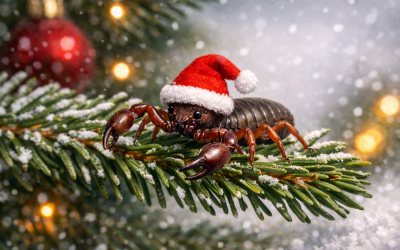

Live Christmas trees can occasionally bring harmless outdoor hitchhikers indoors. Learn what pseudoscorpions are, how they end up on Christmas trees, and why they’re nothing to worry about.

We have some exciting news to share, and it is a moment that truly means a lot to us here at Good Earth. Good Earth Pest Company was recognized at the Oregon State University Center for Family Enterprise’s Excellence in Family Business Awards and received the Family...

We’re thrilled to announce that Good Earth Pest Company is once again partnering with local organizations to support those in need within our communities. With a spirit of compassion and unity, we’re organizing a supply drive to provide essential items for kids who...
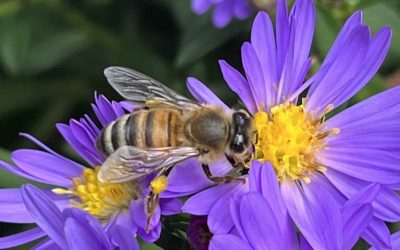
If you’ve got bee hives on your property, it’s completely natural to be cautious about pest control. At Good Earth Pest Company, we take extra care to protect pollinators while still solving the pest problems that brought you here in the first place. Here’s how we keep your buzzing little garden partners safe—without compromising on results.

Good Earth Pest Company offers eco-friendly pest control using low-impact products and IPM to protect your home, health, and the environment.
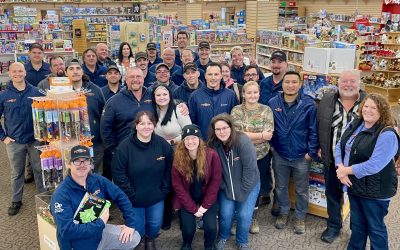
The holiday season is all about giving back and spreading joy, and this year, our team at Good Earth Pest Company had the incredible privilege of continuing a heartwarming tradition. As in years past, we came together to make a difference in our communities by...

We are happy to announce that Good Earth Pest Company is partnering with local organizations to support those in need within our communities. With the spirit of compassion, we are organizing a supply drive to provide essential items to kids who could benefit from some...
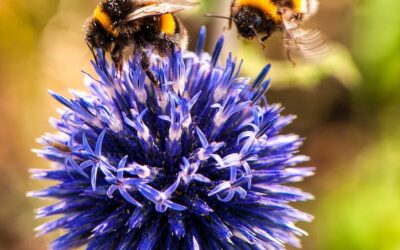
In my last post I went on at length about European honeybees and their importance in agriculture and pollination. I hold to that stance but ever since that story posted I’ve been barraged with messages, scathing criticisms, even a few death threats. They all had the...
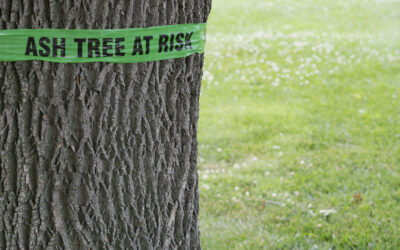
Native to Asia, EAB was first identified in the US in 2002. It has since spread to 36 states and in June was found in Forest Grove, Oregon. Less than ½ inch long and metallic green, the adult EAB lays its eggs under the bark of the ash tree where the larvae go to work, feeding on the cambium area of the tree, damaging the xylem, and cutting off nutrients from getting to the canopy of the tree. This causes the canopy to start dying (crown dieback) in the top third of the tree. The tree will eventually succumb to starvation in 3-5 years.